
By QuickLeap Team
Technology & HR Solutions
Updated: Nov 3, 2026
The Mobile App Development Checklist Every Startup Should Follow
From market validation to launch-day analytics: a step-by-step mobile app development checklist for startups, written by the QuickLeap app engineering team.
Table of Contents
Validate Before You Build
The most expensive bug in app development is building something nobody wants. Before writing code, talk to 20+ target users, define the single core problem your app solves, and sketch the one flow that delivers that value. Everything else in v1 should ruthlessly serve that flow.
Phase 1: Product Definition
Get these decisions on paper before any contract — they cut weeks off every proposal you'll receive:
Platform and audience
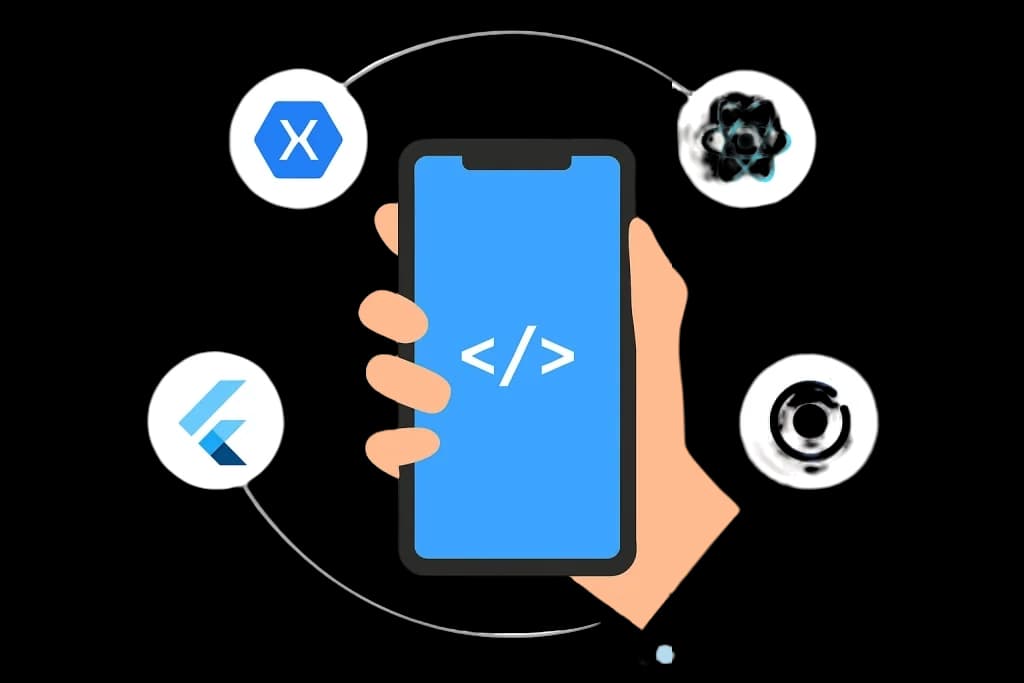
Decide Android-first, iOS-first, or cross-platform based on where your users are. React Native or Flutter covers both platforms with one team and one codebase — usually the right call for startups.
Feature scope for v1
List every feature idea, then mark only the ones required to deliver the core value. A focused v1 ships in 8–12 weeks; a kitchen-sink v1 slips past 6 months.
Success metrics
Define activation, week-4 retention, and the conversion event that matters (signup, subscription, first order). These numbers — not download counts — tell you if the app is working.
Phase 2: Design and Prototyping
Invest in clickable UI prototypes before development starts. A week of prototyping finds usability problems that would otherwise be found two months into development, when changes cost 10x more. Keep a consistent design system so every new screen stays fast to build.
Phase 3: Engineering and Testing
Ship in weekly increments you can actually run: a staging environment with real test users beats eleventh-hour integration surprises. Automate crash reporting and analytics from commit #1. Reserve the final 20% of the timeline for QA across real devices — emulator-only testing hides gestures, performance cliffs, and permission flows that only appear on hardware.
Phase 4: Launch and Beyond
On launch week: verify app store assets, deep links, and push permissions one final time; watch the dashboards daily; and respond to store reviews within 48 hours. The apps that win are the ones that sustain a weekly improvement loop after launch — v1 is the starting line, not the finish line.
Frequently Asked Questions
How much does it cost to develop a mobile app for a startup?
A focused cross-platform MVP typically costs INR 6–20 lakh depending on feature scope and integrations. QuickLeap provides fixed-scope quotes after a scoping call so there are no surprise invoices mid-project.
How long does a startup mobile app take to build?
An MVP usually takes 8–16 weeks from kickoff to app-store submission. Timeline depends most on the number of screens, backend integrations, and how quickly approvals flow from your side.
Should a startup build native apps or cross-platform?
For most startups, cross-platform (React Native) is the right choice: one codebase, one team, ~60% of the cost of two native apps. Native makes sense only for apps chasing the last 5% of device-specific performance.
Do I need to own servers to run my app?
No — managed cloud platforms handle hosting, databases, and push notifications. We typically run startup apps on AWS or Vercel so infrastructure scales automatically with your first growth spikes.