
By QuickLeap Team
Technology & HR Solutions
Updated: Nov 3, 2026
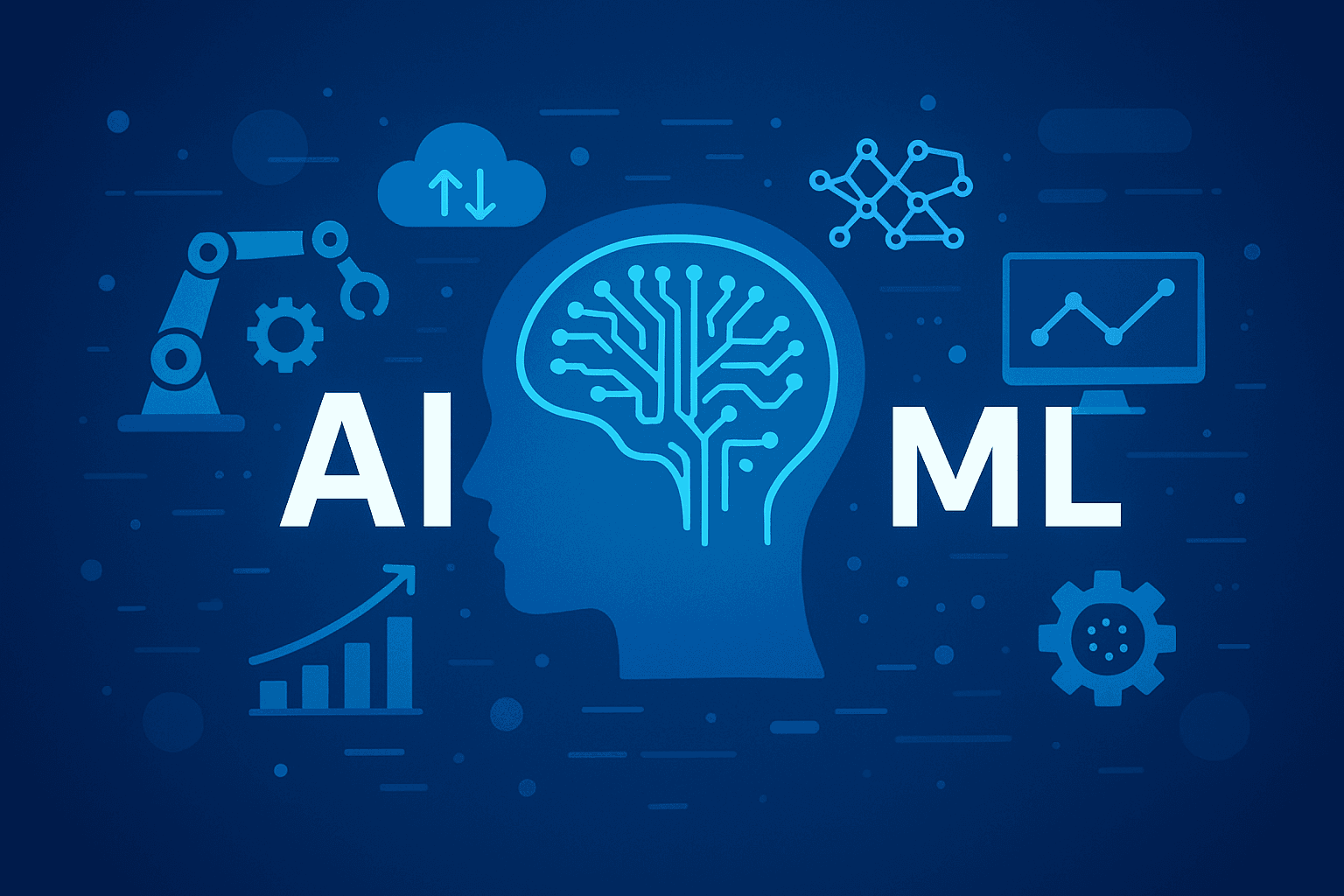
How AI and Machine Learning Are Helping Small Businesses Compete
Practical AI and ML applications small businesses can adopt now — from lead scoring to demand forecasting — and how to start without an enterprise budget.
Table of Contents
AI Entered the Mainstream — Now It's Actionable
Two shifts took AI from demo to production for smaller teams: model pricing collapsed, and reliable APIs made deployment a services problem instead of a research problem. In 2026, a five-person company can run automation that required a dedicated ML team five years ago.
The Four Highest-ROI Starting Points
Across dozens of consulting engagements, these four areas consistently return value for lean teams:
Lead scoring and qualification
Instead of reps scrolling a CRM list, an ML model ranks incoming leads on historical conversion data. Teams spend their best hours on the leads most likely to close.
Customer service automation
Well-grounded chat assistants answer status questions, take bookings, and escalate the remaining 20% of conversations to humans with full context — cutting response times without cutting staff.
Document and image processing
Invoices, resumes, KYC documents, inspections — models extract structured data from unstructured files. A process that took an analyst 15 minutes per document can drop to seconds.
Demand forecasting and pricing
Retailers and manufacturers use lightweight models on their own sales history to anticipate inventory needs, discount strategically, and reduce both stockouts and dead stock.
What You Actually Need to Get Started
You don't need a data lake. You need three things: a problem where error costs are low and volume is high; your existing data in basic exportable form (spreadsheets count); and a partner who will integrate outcomes into your current tools rather than landing you another dashboard to babysit.
At QuickLeap we start AI engagements with a two-week pilot on one workflow, so you see value before committing to a platform.
Pitfalls to Avoid
Automate broken processes and you get faster brokenness — fix the workflow first. Track model accuracy honestly with human review samples. And keep humans in the loop for anything customer-facing or compliance-sensitive in early deployments; confidence scores belong in the UI, not in the database.
Frequently Asked Questions
Is AI development affordable for small businesses?
Yes — modern AI projects skip expensive model training by leveraging existing APIs. A scoped automation pilot commonly lands between INR 1.5–6 lakh, and ongoing API costs scale with usage, not with headcount.
How much data do I need for machine learning to work?
More than you think for classic ML (hundreds of records minimum), but far less for LLM-based workflows where the model arrives pre-trained on world knowledge. If you have messy spreadsheets of 1,000+ rows, an assessment workshop will tell you what's realistic.
Will AI replace my employees?
In the small-business use cases we deploy, AI removes repetitive sub-tasks, not jobs: analysts who processed invoices get to actually analyze, agents who typed the same answers get to handle escalations. The teams adopting this fastest report better retention.
How do I keep customer data safe with AI?
We process sensitive data through enterprise-grade, zero-retention API providers or fully on-premise deployments for regulated industries, and we design data flows so customer PII never trains external models.